
8 short lessons
Hard Conversations
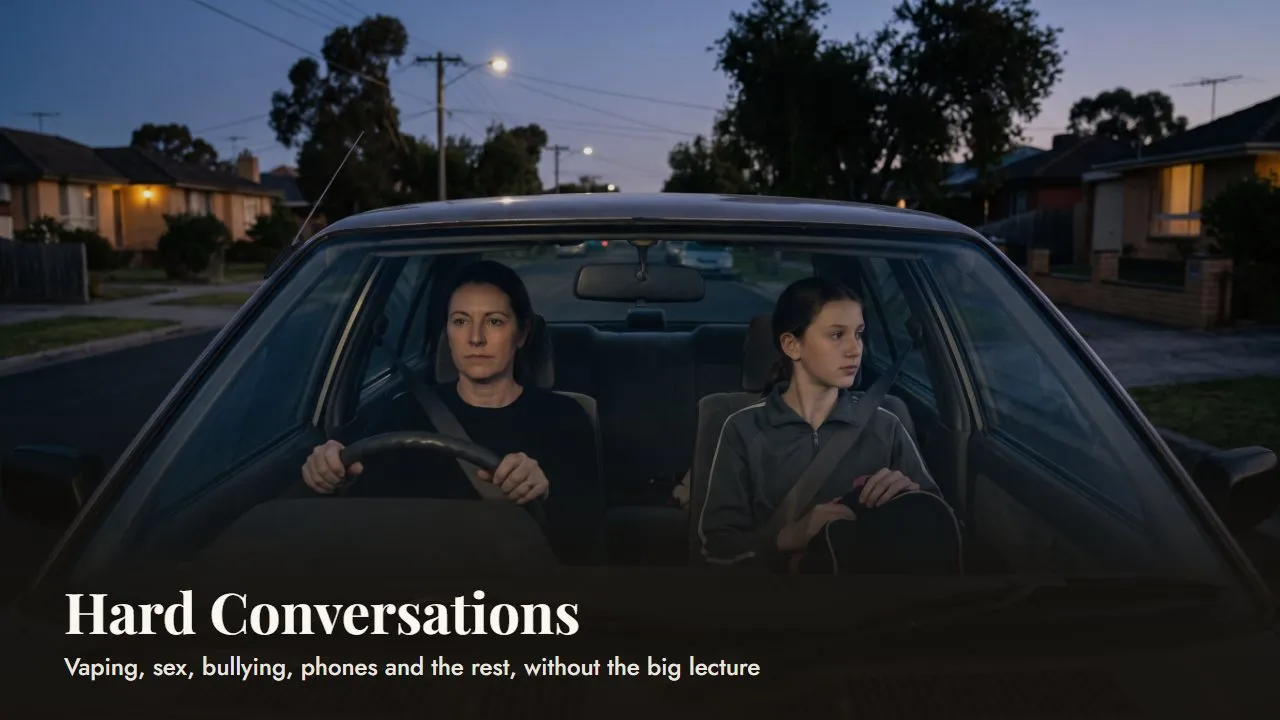
Vaping, sex and what they’ve seen online, phones, bullying, crushes, and the times a child isn’t OK.
About 7 minutes each
For parents of kids about 10 to 13
Vaping, sex, what they’ve seen online, bullying, a child who isn’t OK. Your child has probably already heard about a lot of it, on the bus or on someone else’s phone. Just not from you.
Hard Conversations is 8 short lessons that give you the words, so you can be the one they come to.
Is this happening in your house?
Tap every one that fits. Each one has its own short lesson.
Each one you tap has its own lesson in Hard Conversations.
Why now
Words you’ll have ready
The free pass
“You can always call me. I’ll come and get you. I won’t be angry.”
From Lesson 1
If something online feels weird
“If anything online ever feels weird, tell me. You won’t lose your phone for telling me.”
From Lesson 4
When they tell you something hard
“Thanks for telling me. Do you want help working out what to do, or do you want me to just listen?”
From Lesson 8
What you’ll learn
Every lesson ends with one small thing to try that week, and every lesson is also audio for the car.
8 short lessons
Vaping, sex and what they’ve seen online, phones, bullying, crushes, and the times a child isn’t OK.
About 7 minutes each
 1
Why lots of small talks, side by side, work better than one big sit-down Talk.
 2
What they’re likely to meet first, and the words to say no, get out, or call you.
 3
Short, honest answers at their level, so you stay the one they ask first.
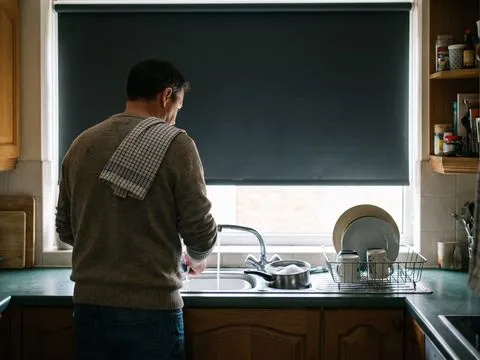 4
The warning signs in games and chats, and how to make telling you feel safe.
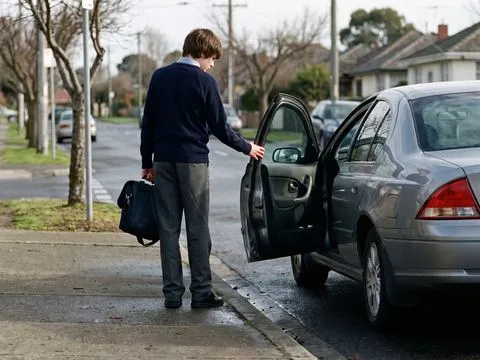 5
The quiet kind of bullying, what to notice, and what to say when they tell you.
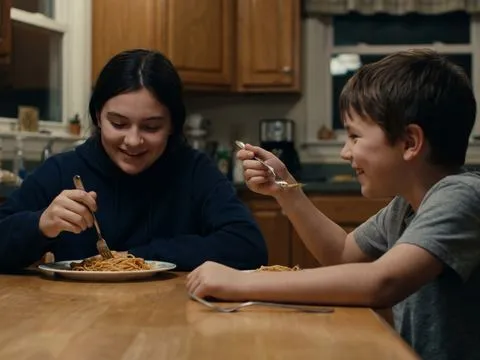 6
Crushes start earlier than you think. How to react so they keep telling you.
 7
Which sad days are normal, which changes to act on, and when to act today.
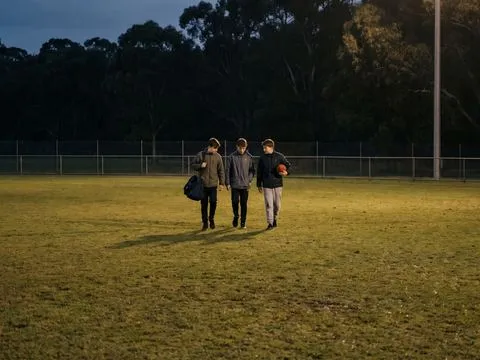 8
Two sentences that make the first five seconds feel safe.
For your child
Every lesson says clearly where to get help, including Kids Helpline (1800 55 1800) and, in an emergency, 000.
Questions parents ask
No. Hard Conversations works on its own.
Parents of kids about 10 to 13: the year or two before high school, and the start of it.
8 lessons, about 7 minutes each. Watch them, or listen in the car. Each one ends with one small thing to try that week.
It’s not therapy, and it doesn’t replace your GP. If you’re worried about your child’s safety, talk to your GP or call Kids Helpline on 1800 55 1800, any time. In an emergency, call 000.
Email us within 30 days and we’ll refund every cent.
Families who went through the program.
The three ways out of a situation, in the vaping lesson. The face-saving no, the exit line that blames me, and a code word. We picked our code word in the car on the way to Kmart. Took four minutes. My son thought it was hilarious and a bit cool. Six weeks later he used it at a party. I picked him up, said nothing in the car like you said, and he told me the whole thing the next morning on his own.
I'm going to say something about lesson seven and then stop. My daughter had been flat for about a month and I'd been telling myself it was hormones. That lesson tells you to ask plainly, using the actual word, and that asking doesn't plant the idea. I did not believe that second part until it was explained. I asked. She answered. We saw our GP the following day and we're getting help. I don't know what else to say about a nineteen dollar add-on.
Very good and I'm glad I have it. One thing though — seven minutes is not enough for the sex and bodies one. The three steps are right. Find out what they know, give the facts, say what our family thinks. But my daughter asks follow-up questions I wasn't ready for and the lesson doesn't go that far. Everything else is well-pitched. That one needs to be twice as long, or needs a second part.
The thing that got me was being told what not to do. Don't contact the other child's parents. Don't take their phone off them when they tell you about something online. Don't promise to keep a secret before you know what it is. Every one of those is a thing I would have done, confidently, thinking I was helping. I've had this a fortnight and most of the value so far has been in things I've stopped doing.
Opposite problem to what you'd expect. I bought this thinking it was early. My son is twelve. He'd already seen porn on another kid's phone at a sleepover, months ago, and never told me. I found out because of lesson three — not because I interrogated him, but because I asked what he'd heard about something and he decided the conversation was safe. 'Thanks for telling me, you're not in trouble.' I had that sentence ready because the lesson gave it to me. I would not have had it otherwise.
The free pass. That's it, that's the review. We said it out loud at dinner — you can always call, I'll come and get you, I won't be angry, no questions that night. My eldest asked if that was true even if she'd done something she shouldn't have. Yes. That's the whole point. She's got it on her lock screen now.
The specific Australian services are what make this worth it. Kids Helpline, eSafety, the reporting site for when an adult has contacted a child, triple zero. I've lived here eleven years and I did not know most of those existed or which one does what. Having them named in the lesson, in order, with what each one is for, is more useful to me than any of the advice. I've written them in my phone.
Good, and I'd buy it again, with one gripe. The What would you do if game. My son is thirteen and clocked immediately that it was a parenting thing. 'Did this come from your course.' Dead on arrival. The car audio about who to tell worked much better because he didn't know it was coming. Lead with the audio, bury the game.
Grandmother raising two. I bought this one before I bought the main program, which I gather is backwards. Lesson eight is the best seven minutes of anything I've watched this year. The telling matters more than the thing they've told you. Thank them first, then ask whether they want help or just want you to listen. I got that wrong for thirty years with my own kids. I'm not getting it wrong again.
The online risk lesson taught me a pattern I'd never have spotted. Someone who's suddenly very nice, wants a private chat, asks to keep it secret, asks for a photo. Any one of those and you stop and tell an adult. I taught it to my daughter as a list, exactly like that, and she repeated it back to me a week later unprompted. Also the instruction not to save a photo even as proof, and where to report instead. I'd have got that badly wrong.
I bought it hoping I would never need it, which I suspect is how most people buy this. Six weeks in, I've used exactly one thing from it: the two sentences in the last lesson, when my daughter told me something about a friend that frightened her. Thanks for telling me. Do you want help working out what to do, or do you want me to just listen? She wanted me to just listen. Six months ago I'd have gone straight into fixing it and she'd have stopped telling me things.
Bought it at checkout for nineteen dollars without really thinking, mostly because the vaping one caught my eye. Then I didn't open it for three weeks. Not because I forgot. Because I didn't want to think about any of it. When I finally did, the first lesson is about how to have these talks at all — small ones, side by side, long before you need them — and that took about 80% of the dread out of it. I'd been imagining one enormous sit-down conversation. It's not that at all.
8 short lessons. The words for the talks most parents put off, ready before you need them.